
Can Bankruptcy Stop Foreclosure?
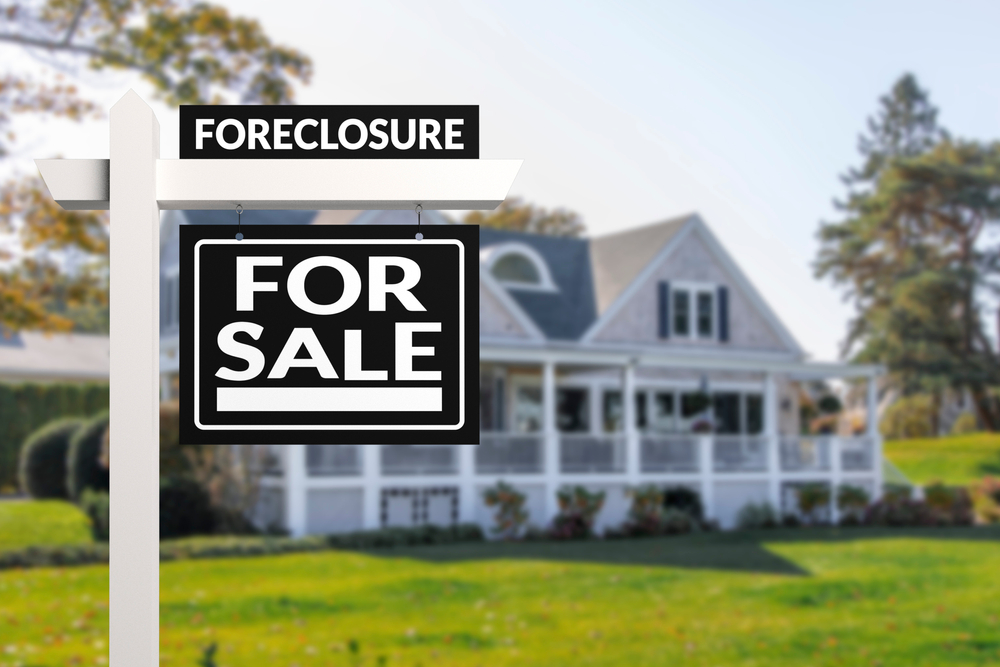
Being behind on your mortgage payments can be very stressful. You may be worried and wondering if you will lose your home and if there is anything you can do to save it. Filing for bankruptcy can typically stop a foreclosure and be a key tool to help keep your home long-term. The guide below will help you better understand how bankruptcy works in Ohio, and how it can help prevent foreclosure on your home.
How Foreclosures Work
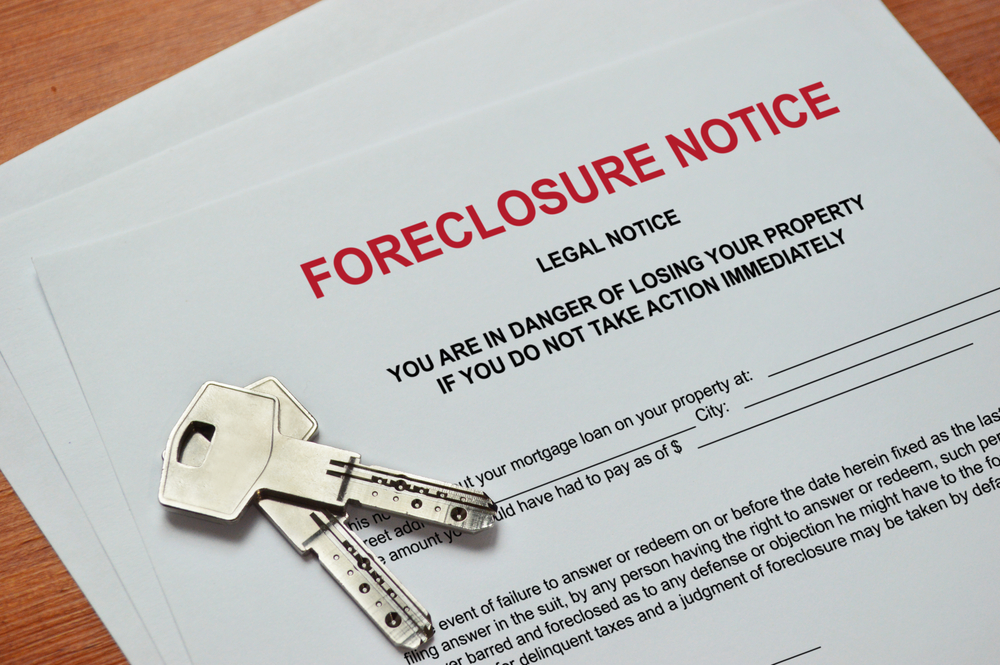
In Ohio, foreclosures move through the court, and the process typically begins after a homeowner has missed several mortgage payments. The homeowner’s lender must file a lawsuit, and if the court rules in their favor, the property will be scheduled for a sheriff’s sale. When a lender files the lawsuit, homeowners typically have some time to explore options to avoid a sheriff’s sale. One of these options is filing for bankruptcy. You must quickly explore your options prior to the sheriff’s sale because once the sale is finalized, your options will be limited and you may lose your home.
An Automatic Stay
If you have missed several mortgage payments, filing for bankruptcy might be able to help protect you from the threat of foreclosure. Once you file, an automatic stay will go into effect immediately. An automatic stay is a federal protection law that will stop the majority of collection actions for your assets. This can stop foreclosure proceedings. Automatic stays will prevent lenders from being able to proceed with a foreclosure and will ultimately stop a sheriff’s sale. This protection will give you a moment to evaluate your finances, condense your debts, and find the best strategy that will allow you to keep your home.
Chapter 7 Bankruptcy
Filing Chapter 7 bankruptcy in Ohio allows you to eliminate your unsecured debts and find some financial relief. These unsecured debts can be from credit cards, medical bills, personal loans, and more. By eliminating these debts, you have the chance to catch up on any other non-dischargeable debts you may have. Chapter 7 bankruptcy is a good option if you are looking to delay foreclosure long enough to get caught up on your debts. If you are still behind and can’t catch up, the foreclosure will eventually continue.
Chapter 7 Non-Dischargeable Debts
Some debts are non-dischargeable and cannot be eliminated with Chapter 7 bankruptcy. This means that you will still be responsible for paying them after your case is complete. These debts include student loans, child support, court fines, mortgages, car loans, and tax debts. It is important to review your financial situation and to have a plan on how you will catch up on any non-dischargeable debts that you may be behind on before filing for bankruptcy.
Chapter 13 Bankruptcy
Filing Chapter 13 bankruptcy in Ohio is a more useful option to ensure that your home does not enter foreclosure. With Chapter 13 bankruptcy, your debts are not eliminated. Instead, the court will create a repayment plan that will allow you to catch up on any missed payment and outstanding debts over time. This payment plan typically lasts between three and five years. During this time, you will continue to make your regular monthly mortgage payment in addition to paying your court-approved repayment plan. As long as you follow your repayment plan, a lender will not be able to proceed with a foreclosure on your home.
Can A Foreclosure Continue After Filing?
A foreclosure can only continue if the court agrees. This typically happens if you fail to make mortgage payments after your bankruptcy filing. In this instance, a lender may ask the court to lift the stay that was placed on your home. The court will look at the evidence submitted, and the court may or may not agree to lifting the stay. If you file for bankruptcy, you need to file strategically to protect yourself and your assets. It is important to have a long-term solution in place to avoid additional issues down the line.
When Should You File For Bankruptcy
Deciding to file for bankruptcy can help take a huge weight off your shoulders. If you are using bankruptcy to save your home and avoid foreclosure, you must complete your filing before a sheriff sale occurs. Once the court confirms a sheriff’s sale, filing for bankruptcy will not protect your home or estate.
It can help to file for bankruptcy early. Filing before foreclosure, a sheriff’s sale, or when you first begin to have serious mortgage financial issues, will give you flexibility and more options to consider. Working with an attorney can help you figure out the different options you have and which will be best for your situation. Every client is different and your bankruptcy lawyer from Jump Legal will look at your case individually so your plan is tailored to you.
Choosing An Option That Is Right For You
A bankruptcy attorney can help you find financial freedom. Not only will they help you determine which type of bankruptcy best fits your financial situation, but they will also help you file all necessary paperwork. Our experienced attorneys will review your full financial situation and help you avoid costly mistakes that can impact your home and your future. With their services, you will be able to move forward with the option that works best for you. Let one of our attorneys give you the best chance at financial relief.
Contact Jump Legal To Start A Financial Relief Plan
You do not have to face filing for bankruptcy alone. Our attorneys help clients navigate bankruptcy law and explain all the options available so they can confidently move forward. We know how overwhelming bankruptcy and foreclosure on a home can be, and you may not know where to start. Reach out today to schedule a consultation with one of our attorneys. We are in the business to help make your bankruptcy experience less stressful. Let us help you understand bankruptcy law and find the financial freedom that you deserve.
Contact an Ohio Bankruptcy Attorney At Jump Legal Today
Contact Jump Legal today to schedule a one-on-one consultation with one of our attorneys. You can find financial relief after just one conversation. Get started today!
Contact Jump Legal Group
Columbus, Ohio 43215
Phone: (614) 481-4480 | Fax: (614) 696-6481


