
What Happens to Your Home and Car in Chapter 7 Cases?
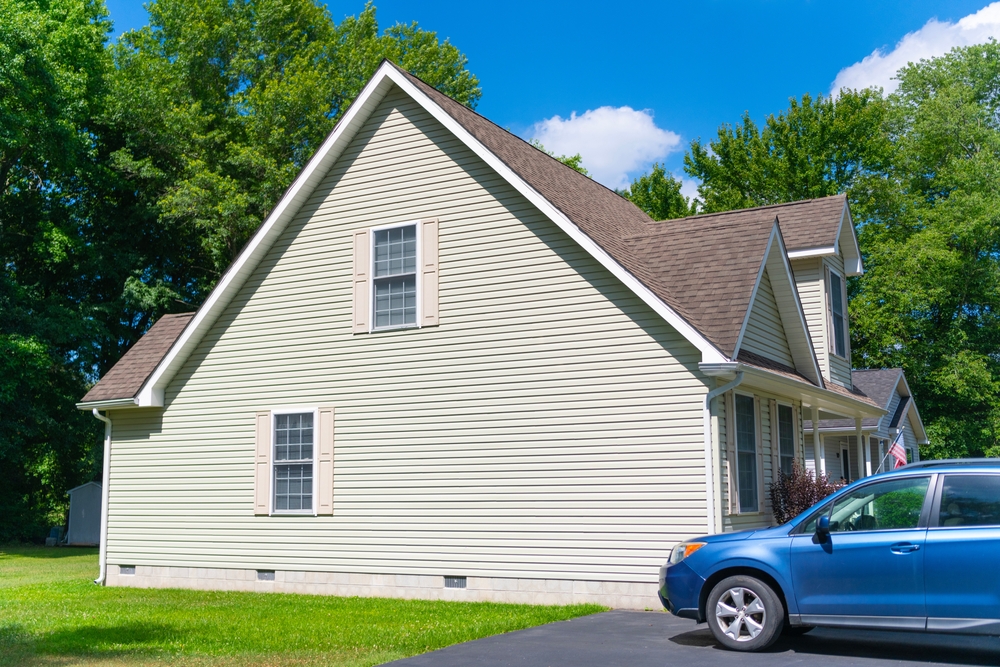
Worried you’ll lose your car or your home if you start filing for Chapter 7? You’re not alone—and in many cases, that fear isn’t the reality. The truth is, your vehicle and homes can often be protected. However, this protection depends on a couple of things, such as your equity, debt, and the bankruptcy exemptions available in the state you’re filing.
Keep reading to see how a bankruptcy case really works, how the court looks at debtor property like real estate and your car, and how tools like the homestead exemption and other exemptions can protect your home equity and car equity. We’ll also walk through what happens if nonexempt equity exists, when mortgage payments must be caught up to avoid foreclosure, and what options a debtor has before reaching discharge.
A Quick Look at How a Chapter 7 Bankruptcy Case Works
If you’re considering Chapter 7, it’s really about getting a fresh start by clearing certain types of debt. The process begins with filing a petition with the court, where you list everything you own—your car, vehicle, real estate, and other debtor property—along with what you owe to creditors. From there, your bankruptcy case is reviewed to see if any nonexempt equity—or value that isn’t protected by exemptions—could be used to repay debt. Filing also starts an automatic stay, which temporarily stops creditor calls, wage garnishments, or foreclosure proceedings. Because Ohio uses its own state exemptions, it’s rare to lose essential property—your home equity, car equity, and other debtor property are usually protected. Certain debts—like recent taxes or some student loans—aren’t wiped out in Chapter 7 either, but most of your unsecured debts can be cleared. That means you can take a real breath and start rebuilding your credit, getting a handle on your finances, and planning for a fresh financial start after your case is complete.

Can You Keep Your Car in Chapter 7?
The short answer? In most cases, you probably can keep your car. What really matters is how much equity you have in your vehicle, whether you’re up to date on debt like car loans, and which bankruptcy exemptions apply in your state.
If exemptions cover your car equity, your vehicle is usually safe from creditors. You do need to keep up with payments, though—falling behind can still put your car at risk, even during a bankruptcy case. Most people in this situation are able to keep their car while moving toward a full discharge and a fresh start.
What “Equity” Really Means for Your Car and Home
When people hear equity, they often think of “what my home or car is worth,” but in Chapter 7, it’s a bit more precise. Equity is the value of your debtor property after subtracting what you still owe on mortgage payments, car loans, or other liens.
For example, if your home equity is $50,000 but your mortgage payment and liens total $40,000, your net equity is $10,000. For a car, subtract the loan balance from the current vehicle value to get your car equity.
Only the portion of equity that exceeds allowed bankruptcy exemptions—called nonexempt equity—could be used by creditors in your bankruptcy case, so understanding it is key to protecting your home and your car.
How Bankruptcy Exemptions Help You Keep What Matters
One of the most powerful tools in Chapter 7 is bankruptcy exemptions. These legal protections let you shield certain debtor property, including your car and your home, from creditors. The most common protections are the homestead exemption for home equity and the motor vehicle exemption for car equity.
Your state may have its own rules for exemptions, and sometimes you can choose between federal and state exemptions, depending on where you live. Exemptions equity essentially determines how much of your debtor property is safe. Understanding which exemptions apply in your bankruptcy case can make the difference between keeping or losing your car, your home, or other important assets while moving toward discharge.
State Exemptions vs. Federal Bankruptcy Exemptions—What’s the Difference?
In Chapter 7, the exemptions you use determine how much of your home, your car, and other debtor property you can keep. In Ohio, you must use state exemptions—you generally cannot choose the federal set. The homestead exemption protects up to about $182,625 of home equity, and the motor vehicle exemption shields roughly $5,025 of car equity. Ohio also offers a wildcard exemption of around $1,675 for other personal property.
Understanding these limits is key. An experienced attorney from Jump Legal can help you calculate nonexempt equity and ensure your debtor property, including your car and your home, stays safe while moving toward discharge.
Your Options for Keeping Your Car During a Chapter 7 Case
When it comes to keeping your car in a Chapter 7 case, you generally have three main options. Reaffirmation lets you continue your car loan as-is, keeping the vehicle while staying current on payments. Redemption allows you to pay the lender a lump sum equal to your car’s current value, often less than what you owe, to keep your vehicle free and clear. Finally, surrender is returning the car to the lender if the debt or payments are too high. The best choice for keeping your car will depend on your car’s value, your budget for payments, and your total debt. A qualified attorney at Jump Legal can help you weigh these options and protect your car.
Protecting Your Car and Equity Starts with the Right Chapter 7 Strategy
Curious if filing Chapter 7 bankruptcy is the right step for you? At Jump Legal Group in Columbus, our attorneys offer a free, confidential consultation to review your entire financial picture—your income, your debts, your goals—and provide guidance on the best way to resolve your debt. We treat every client with respect and understanding, and our goal is for you to leave your first meeting feeling informed, relieved, and hopeful.
Ready to take the first step toward financial freedom? Contact us today to schedule your free consultation with a Columbus Chapter 7 attorney.
Contact Jump Legal Group
Columbus, Ohio 43215
Phone: (614) 481-4480 | Fax: (614) 696-6481


